Food, Fiddles, and the Irish Pub Tradition
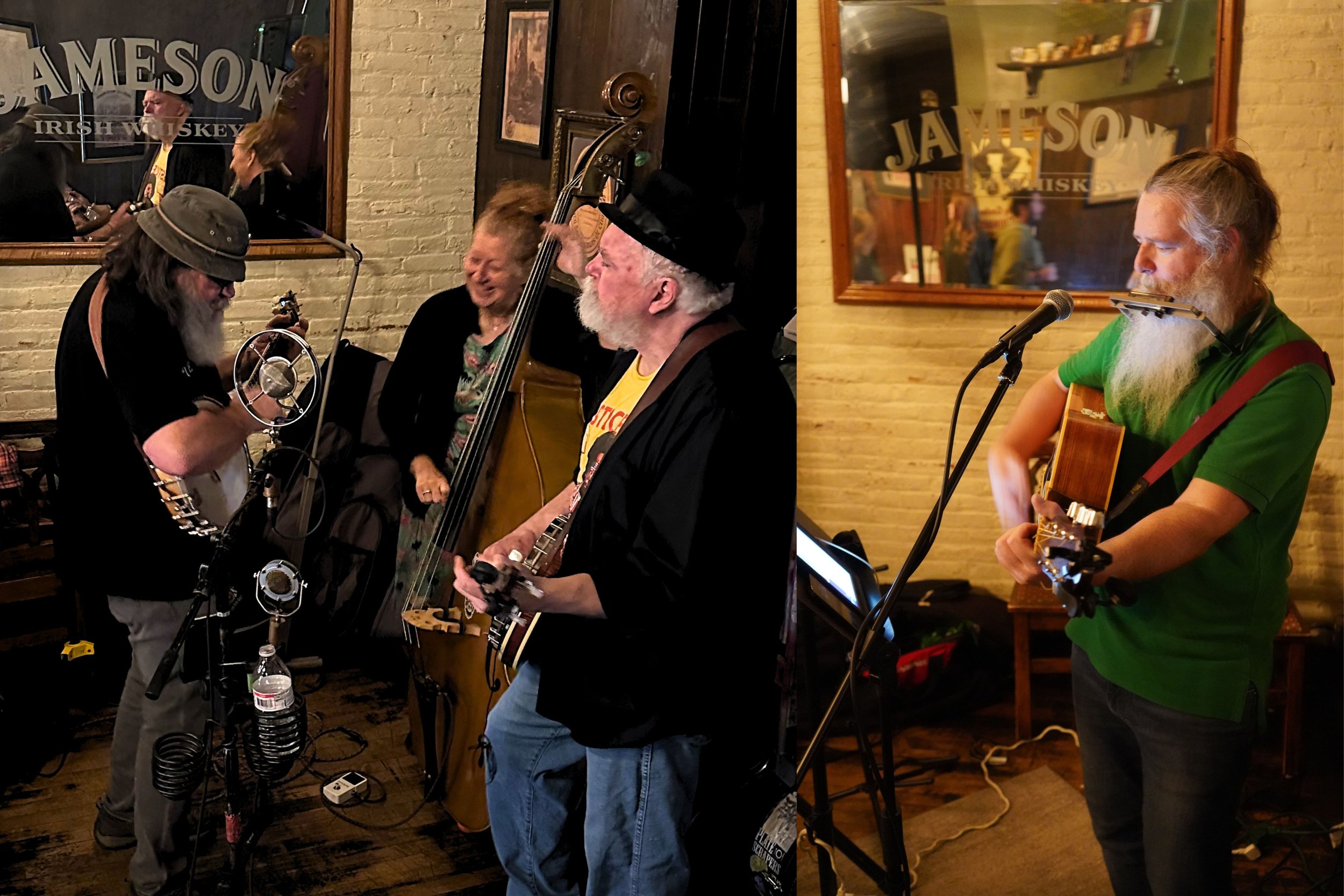
Houses in rural Ireland held céilí nights long before the pub became the place for it. The word itself just meant "visit" in Old Irish. Someone cleared the furniture, someone brought food, someone brought a fiddle. Stories, songs, dancing, news from the next town over. The music didn't stop because the meat and potatoes came out. Nobody treated that as a logistical problem.
Before the 1940s, traditional music was typically played in private homes and farmyards. The session moved into pubs gradually, after the war, after dance halls gave way to jazz and rock and roll and traditional music needed somewhere to go. It found the pub, settled into the corner, and mostly stayed there.
What carried over from the kitchen was the logic of it. A corner stool and enough room for the musician’s bow arm...someone starts a tune. Those who know it join in. The food comes out while this is happening, and that's not incidental. A plate in front of you changes how you listen. You settle in. You're not going anywhere.
What got lost in a lot of American bar culture is that connection. Music became something scheduled and amplified and kept separate from the eating. You went to a restaurant or you went to see music. The two things stopped occupying the same room.
A pub is supposed to hold all of it at once. The fiddle and the soda bread. The conversation and the pint and the tune. That friction between the quiet of eating and the noise of playing isn't a design flaw. It's what the room is for.
-Paul
