When Six O'Clock Goes Dark
Something's braising. It was probably braising in July too, but in September you can smell those aromas when you walk in the back door. Those smells seemingly linger in the kitchen longer the colder it gets outside.
The vegetables change before the menu does. All summer the tomatoes get the attention; then go soft in a way nobody wants anymore. All the while the potatoes, turnips and parsnips just sit in the dark patiently waiting. They will meet up with that braise in the immediate future.
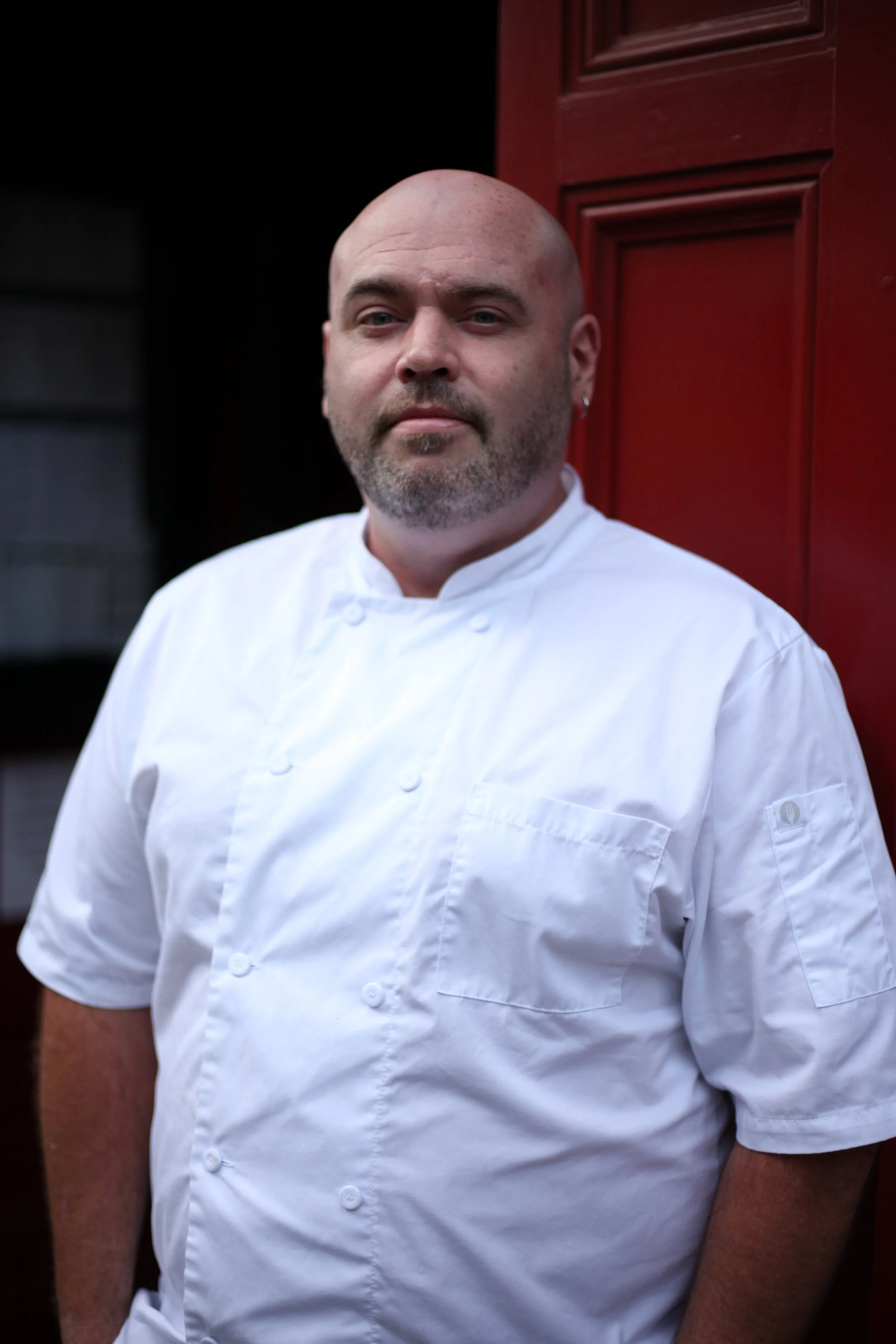
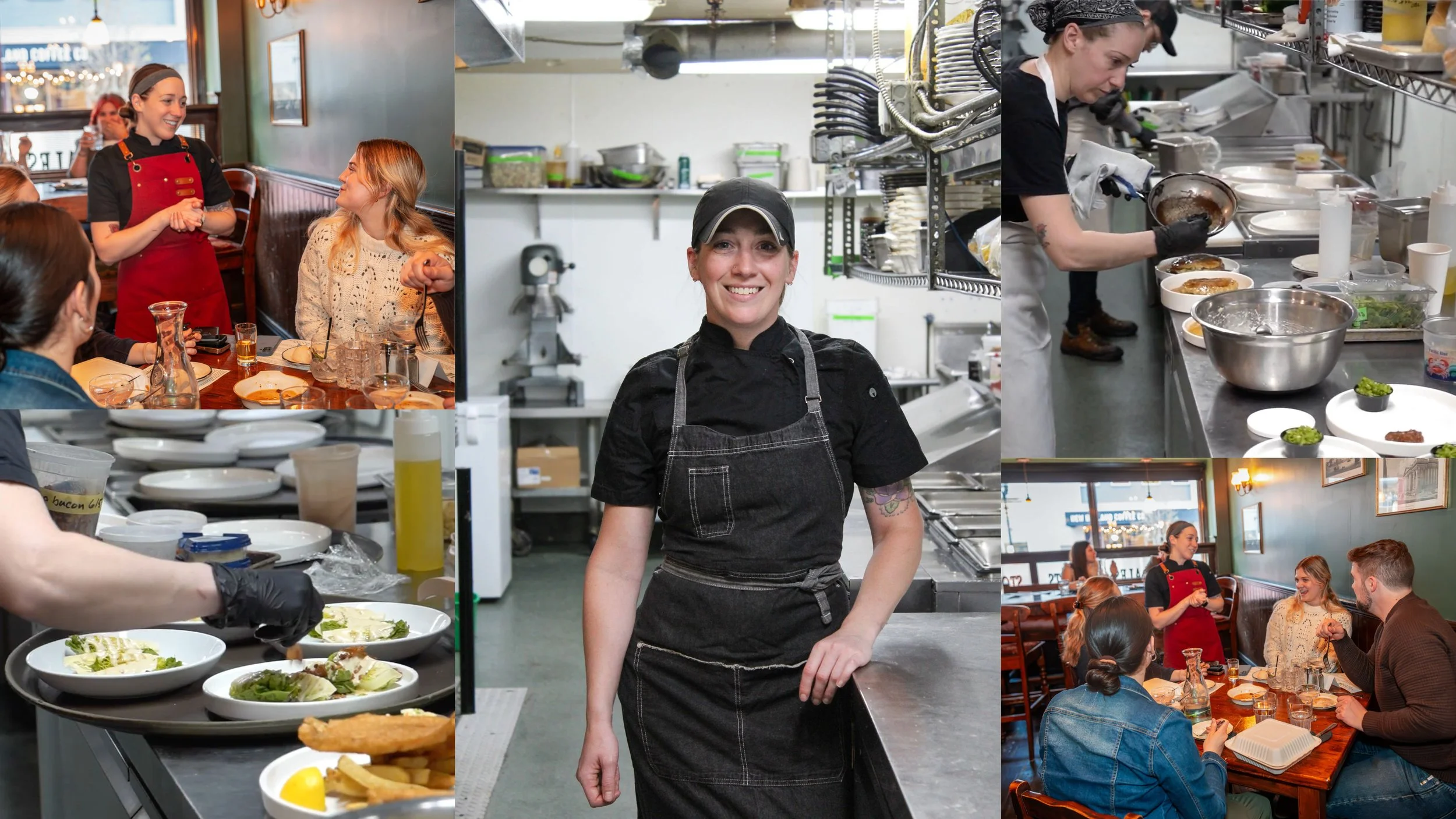
Meet the Chef: Colin Mason
Colin didn't grow up dreaming about food. He grew up eating San Giorgio rigatoni with a jar of Prego dumped over it, two or three nights a week in West Chester, Pennsylvania. Nobody in his house talked about food as anything but dinner.
The Drink That Started With a Delayed Flight
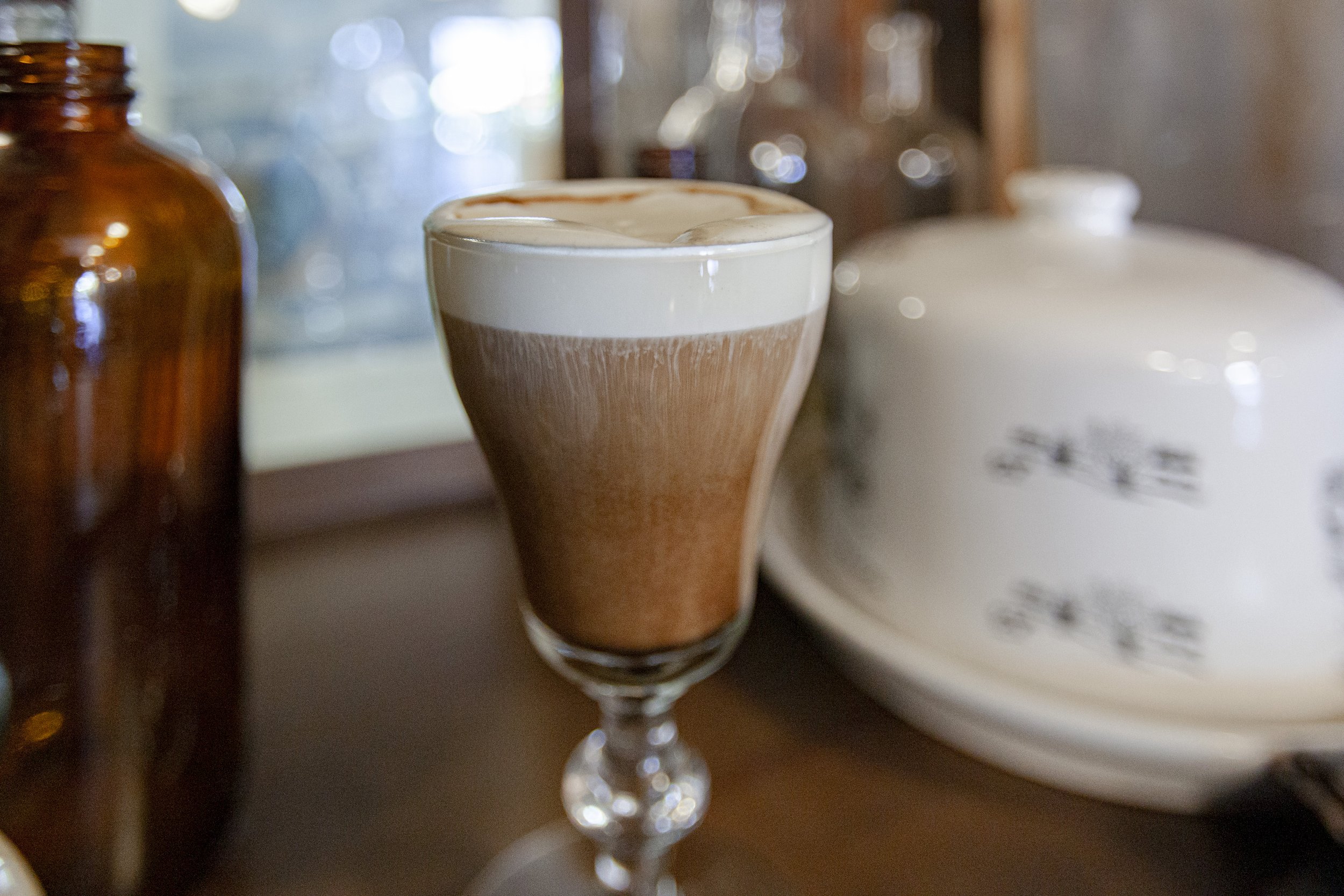
It was 1943, a flying boat bound for New York had been in the air for hours, and the weather turned bad enough that the captain brought it back down on the Shannon Estuary instead of pushing on. The passengers came ashore cold, soaked, and furious in the way only exhausted travelers can be. At Foynes Airport in Limerick, Joe Sheridan, the chef on duty, poured coffee, added a shot of Irish whiskey, sweetened it, and floated cream on top to warm them up. Sheridan had talked his way into that job with an application that ran exactly one line: "Dear Sir, I'm the man for the job. Yours sincerely, Joe Sheridan." It worked, as did his drink on the fly. Sheridan and his coffee moved with the rest of the operation to the newly built Shannon Airport. That is the address most people credit today.
The Pairing That Was Never Planned
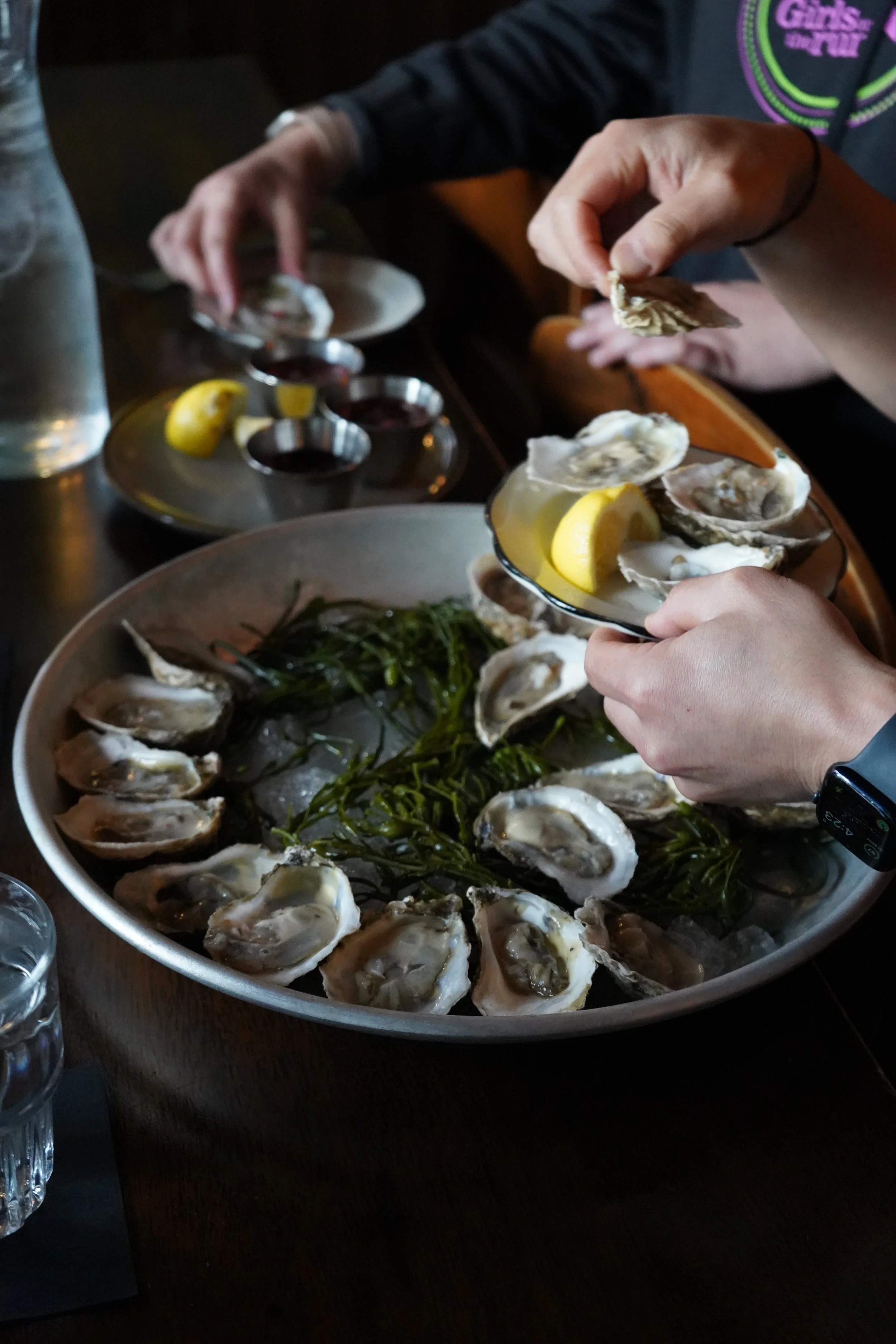
An oyster was not fancy. For most of the nineteenth century it was gutter food, cheap enough to stretch a beef pie when the butcher ran short, cheap enough that even Dickens took note of poverty and oysters traveling together. Londoners ate through seven hundred million of them in 1864 alone. Bartenders set bowls of them out the way you'd set out peanuts now, something to work through between pints, nothing precious about it. The stout next to them wasn't precious either. It was fuel: dark, heavy, cheap, built to survive the cart ride from brewery to bar. Nobody dreamed up a pairing. Poor people ate what was in front of them and drank what was in front of them, and that happened to be oysters and stout.
The Dublin Spice Bag
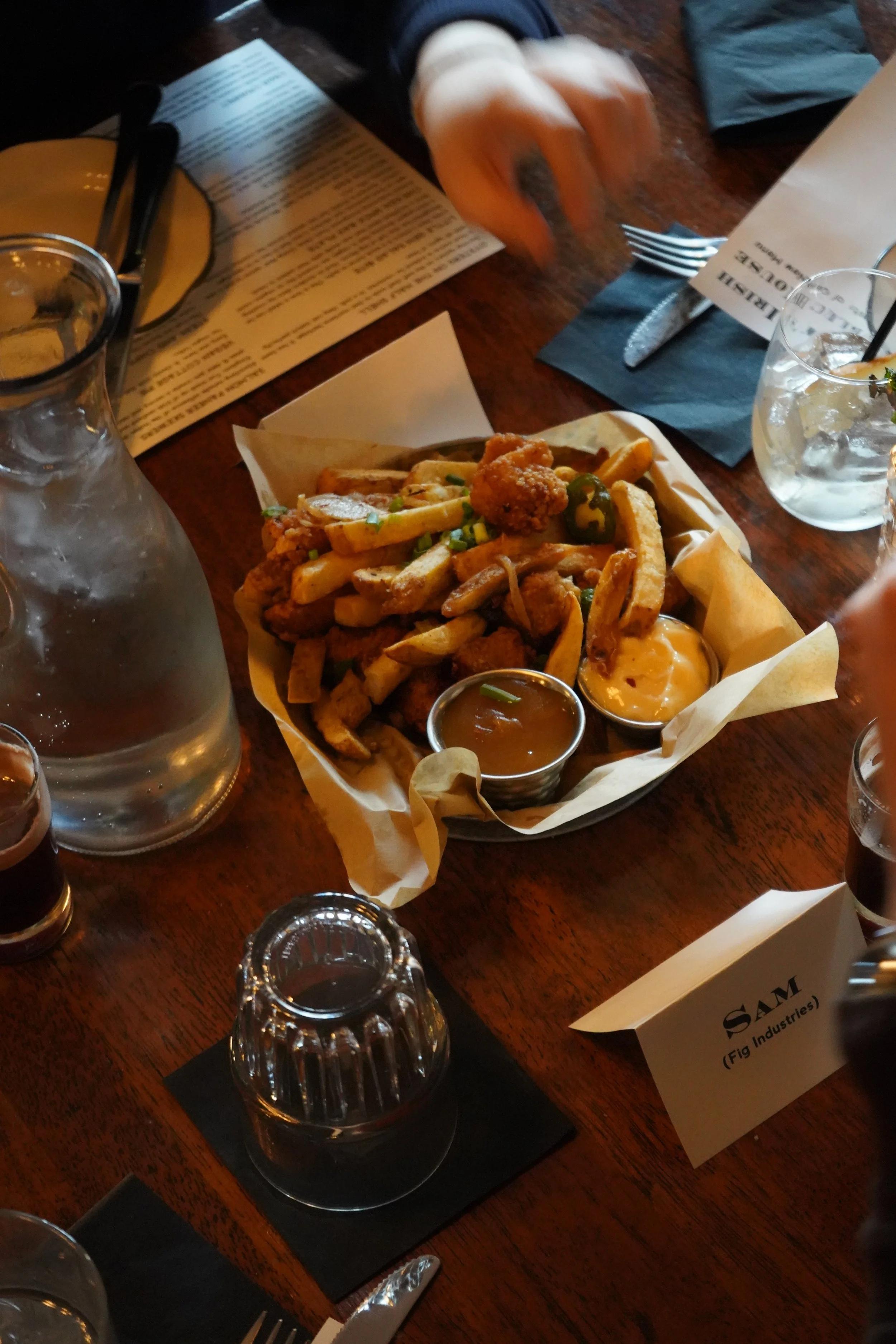
The spice bag is barely twenty years old, which makes it something of an anomaly on a menu of food traditions stretching back centuries. It emerged from Dublin's Chinese takeaways sometime in the mid-2000s, the kind of dish nobody planned and everybody now claims. The most common origin story points to a takeaway in Templeogue, where staff started tossing leftover deep-fried chicken with chips, peppers, onions, and a dry five-spice seasoning instead of the usual sauce-drenched stir-fry. It caught on fast, spreading takeaway to takeaway across the city with no single inventor getting credit, which is fitting for a dish that belongs to everyone now.
What Fatherhood Actually Feels Like
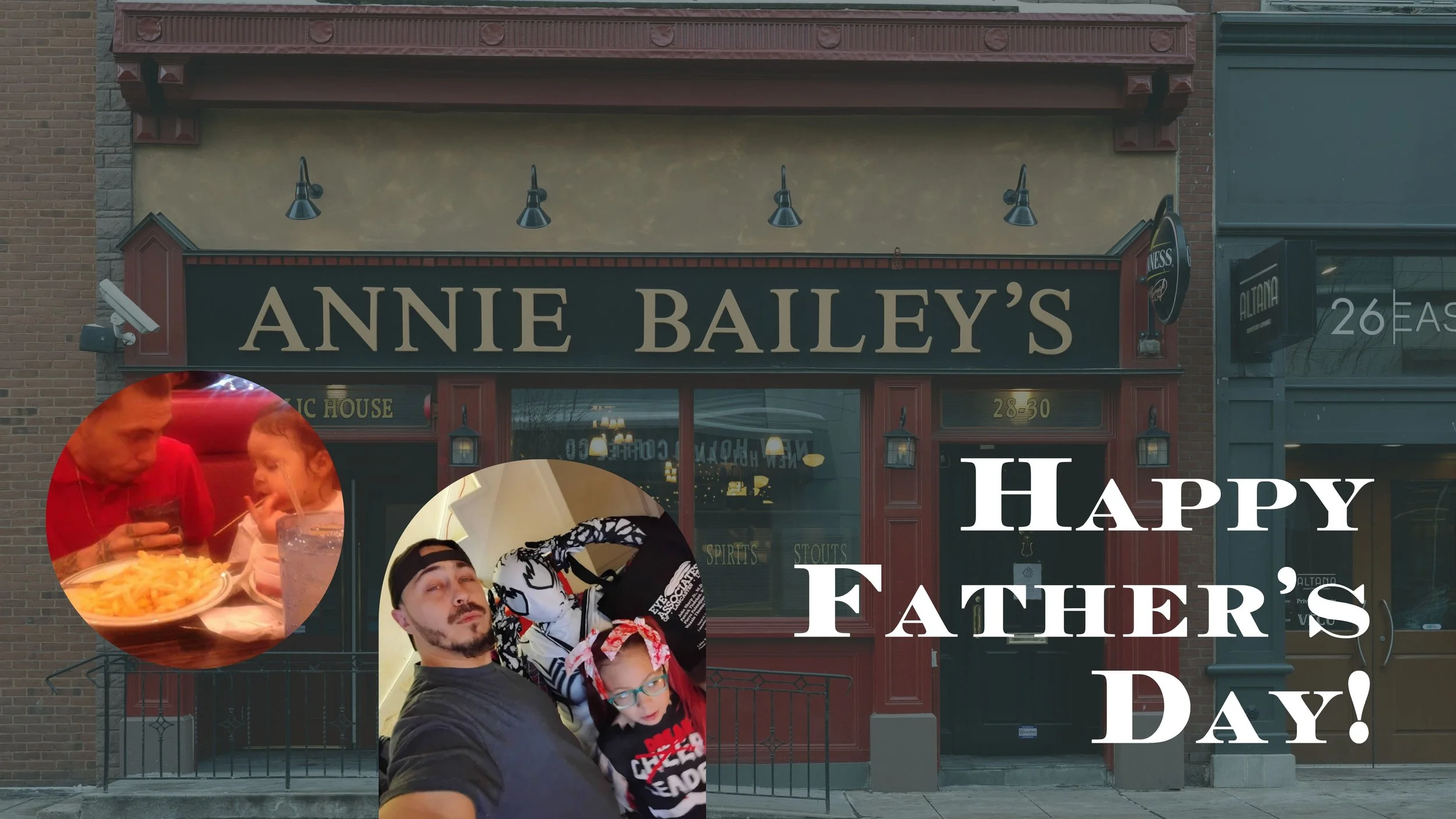
Nobody tells you about the laugh.
They prep you for the sleeplessness. The crying you can't decode. The way you'll stand over the crib at 3:00am watching his chest rise and fall because you can't stop yourself. The first time his chin drops so far into his neck in the car seat that you pull over, run around to the back door, and stand there on the shoulder of the road with your heart in your throat until you see his chest move. People tell you about the sleeplessness. Nobody tells you about any of that other stuff. Nobody tells you about his very tan skin as a newborn. It’s not something I thought would come to my mind. Why does our son have a tan when myself and his mom are so pale? Then you find out about jaundice in newborns…and laugh in the car after leaving his pediatrician’s office.
The Irish Dairy Tradition
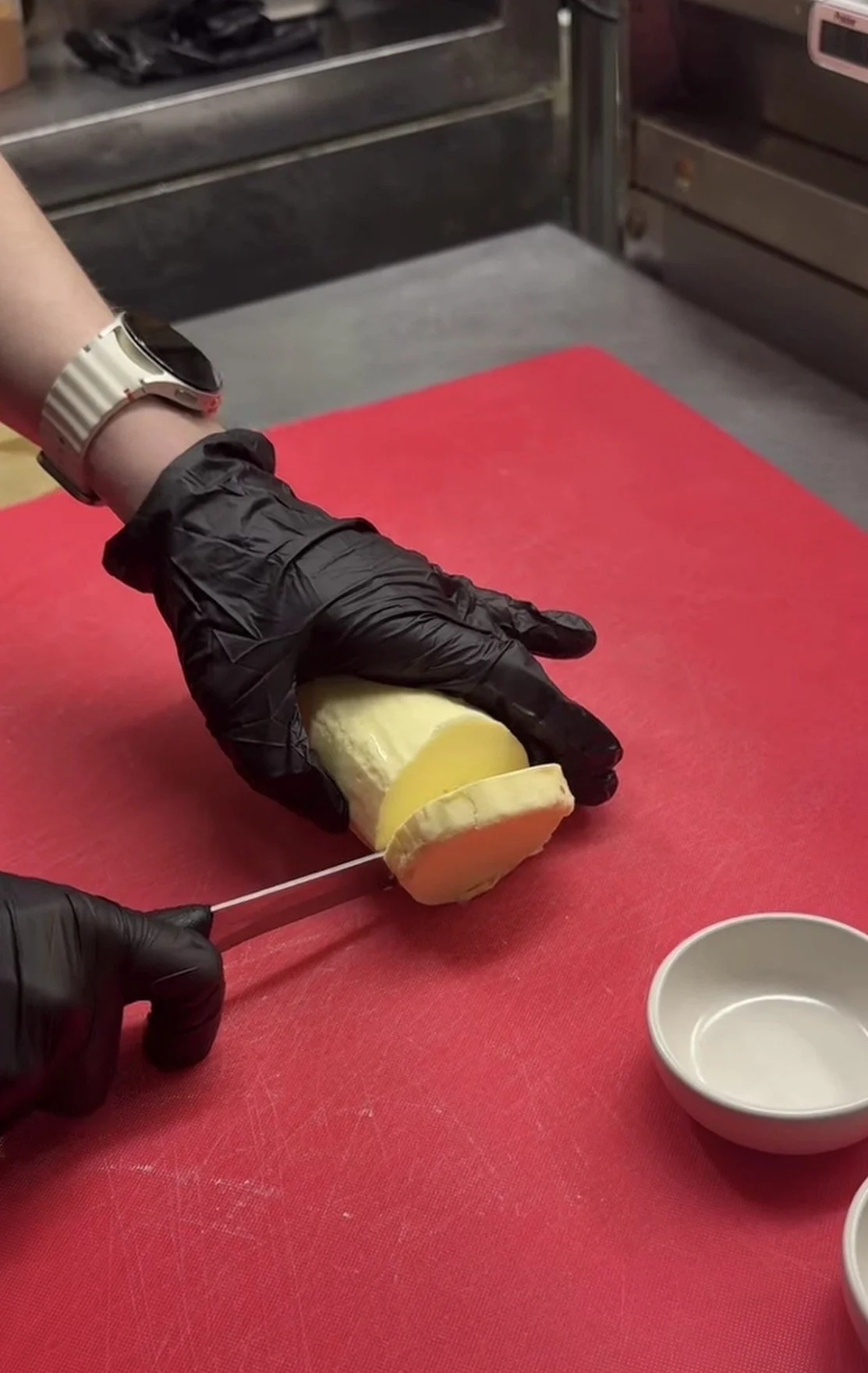
The Irish relationship with cattle predates the written word. Traces of ancient dairy fats found in cooking pots dating to around 4,000 to 2,500 BC show that dairying on the island goes back approximately 6,000 years. Irish cattle seem to have been used primarily for dairy; meat was seen almost as a by-product. By the early medieval period, the landscape was organized around cattle husbandry to a degree unattested elsewhere in Europe, and Ireland's intensive focus on cattle was not driven by beef or leather production, but primarily by dairy.
The word for road in Irish, bóthar, derives from bó, meaning cow. The cattle paths became the roads.
Fish & Chips Was Never Really British
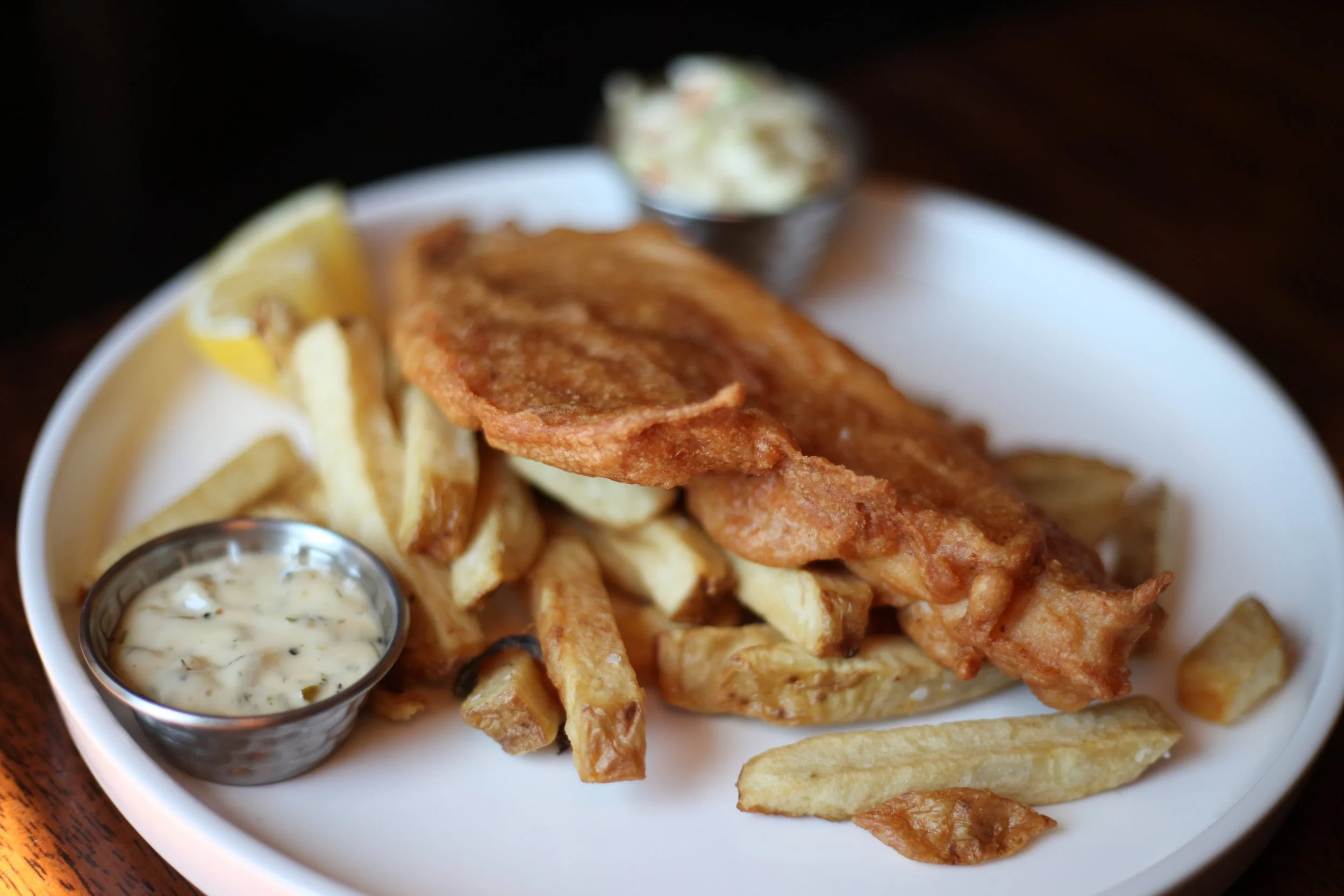
The story starts with people being expelled. 1492. The Spanish Crown issues the Alhambra Decree and some 200,000 Sephardic Jews have four months to leave or convert. Many go to Portugal. Portugal then issues its own edict in 1496. The ones who stay become conversos; outwardly Christian, privately not. The ones who leave scatter across the Mediterranean, eventually England.
The Irish Way of Whiskey
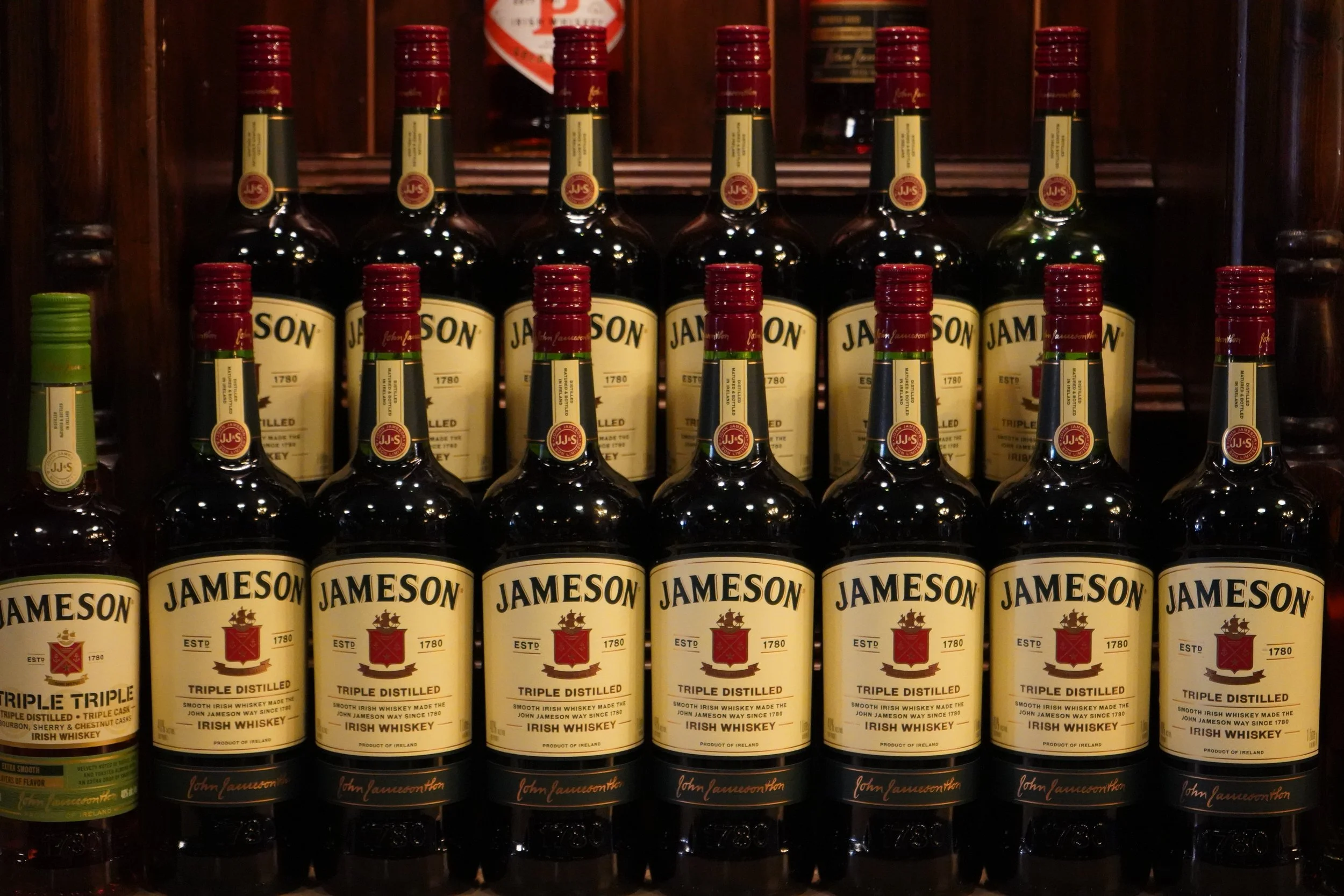
The monks didn't call it whiskey. They called it uisce beatha, water of life, and they made it carefully, in small batches. They had brought distillation back from travels through the Mediterranean and Middle East, where the technique had been refined for centuries. Ireland had no vineyards. It had fields of barley.
Food, Fiddles, and the Irish Pub Tradition
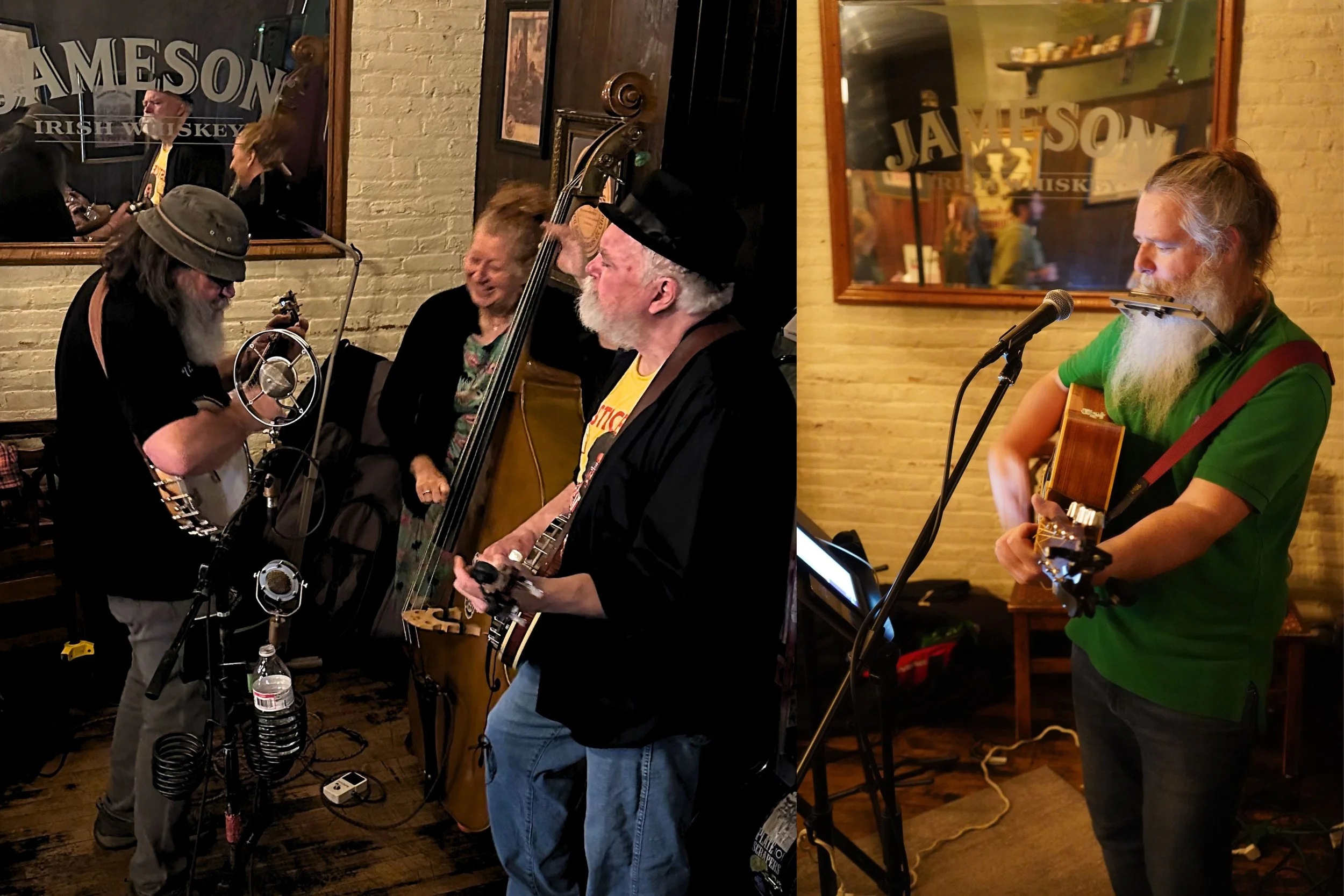
Houses in rural Ireland held céilí nights long before the pub became the place for it. The word itself just meant "visit" in Old Irish. Someone cleared the furniture, someone brought food, someone brought a fiddle. Stories, songs, dancing, news from the next town over. The music didn't stop because the meat and potatoes came out. Nobody treated that as a logistical problem.
Spring in Bloom
The ground goes dark before anything else happens. Fields that spent winter pale and matted go the color of strong coffee after the first real rain, and the farms start moving almost immediately. Horses and Deeres through soil that has been worked by the same families for generations. The smell off those fields is thick and potent and not for everyone. Turned earth and something underneath that, older, mineral, the ground opening back up after months of being closed.
The Women Who Set the Table
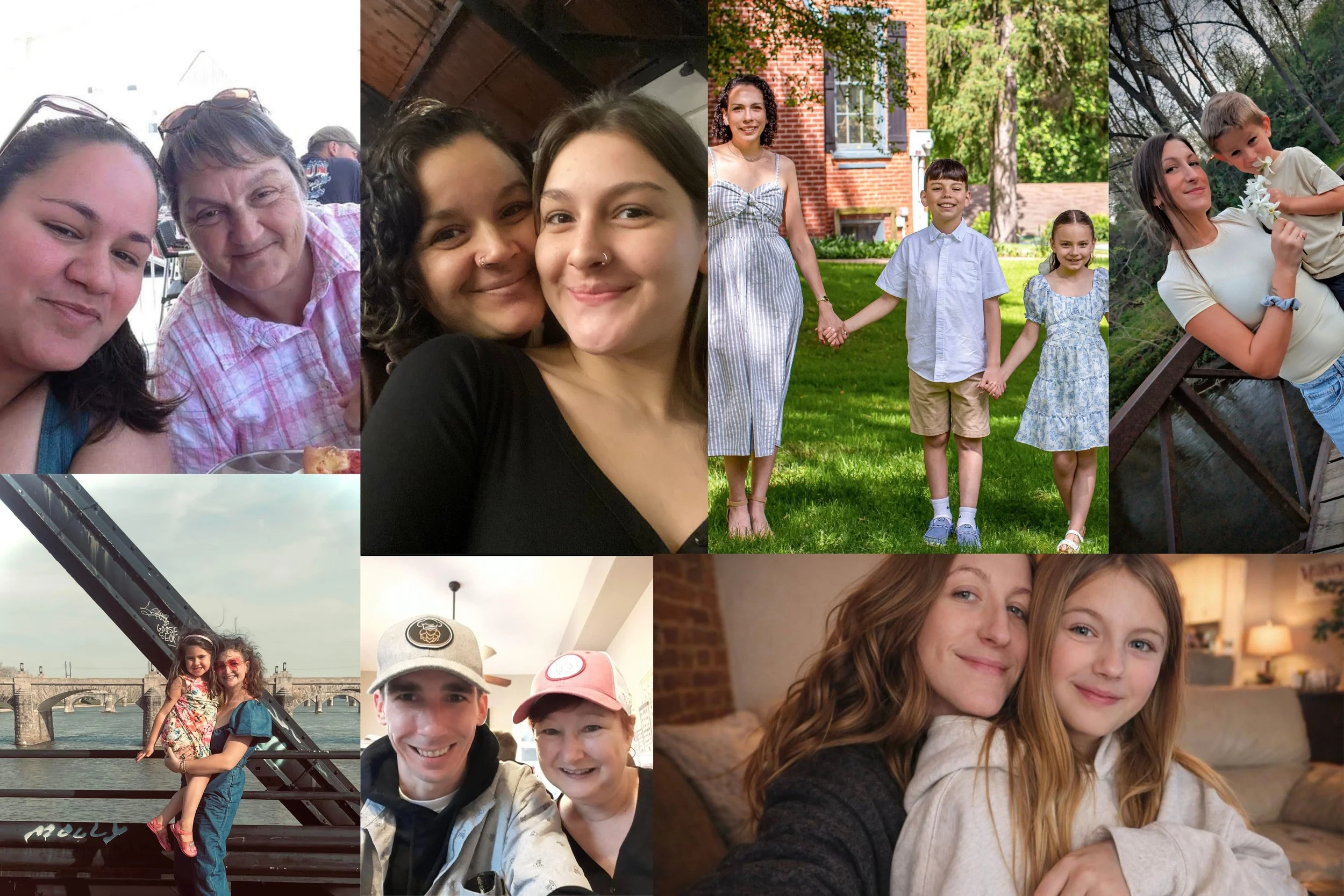
I can still picture my grandmother's rounded shoulders at the stovetop. Gigi. Always turned slightly away from the room, tending to something, never quite done.
My grandfather and I played checkers at the kitchen table while she cooked…the old oblique wood table with the plastic-pillowy runners she saved for the holidays or when everyone decided to show up on a Sunday in July…sticking to your forearms from the heat.
The Humble Potato
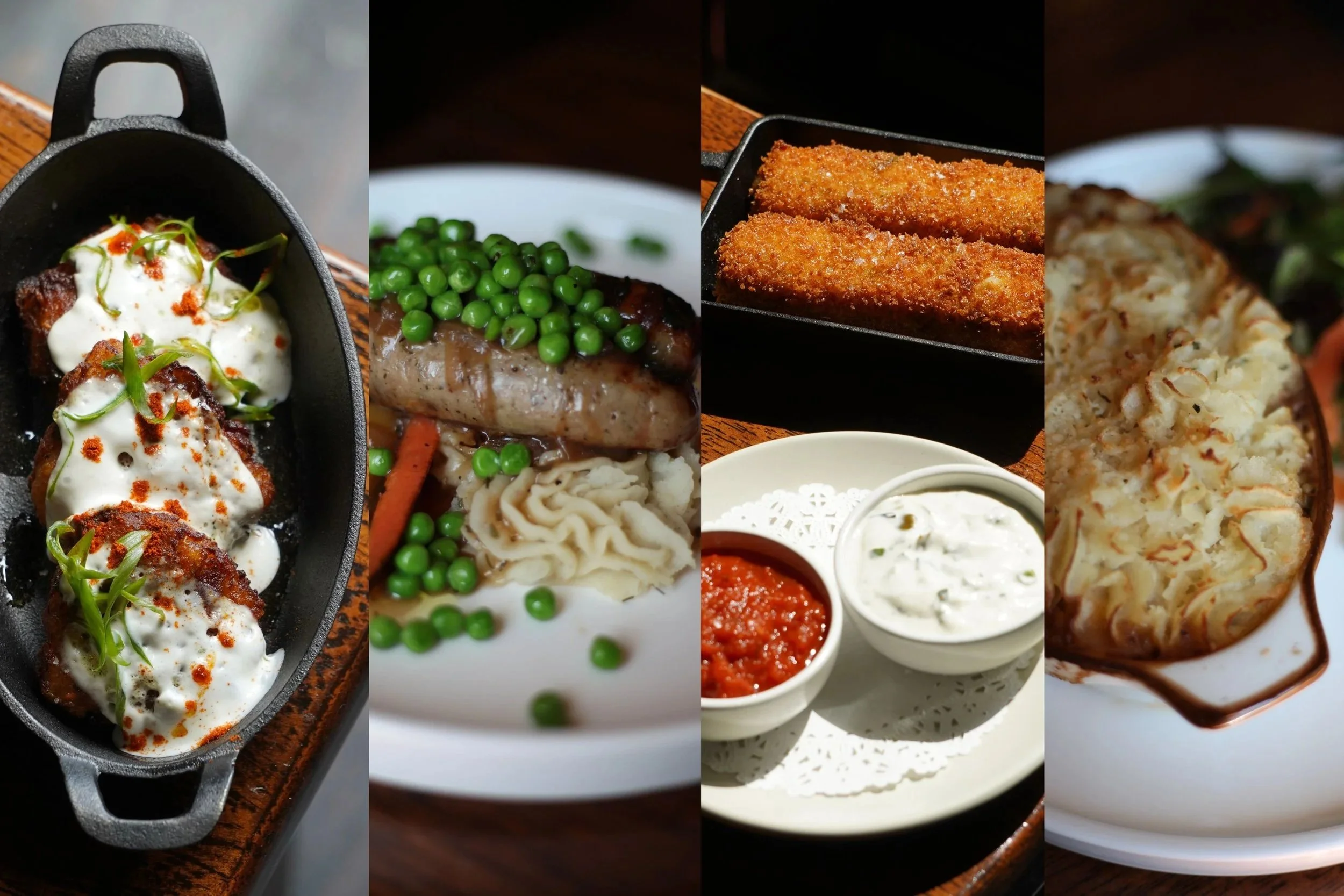
It arrived in Ireland in the late 1500s, carried in from Spain the way so many things arrived on that island — through trade, through sailors, through the slow movement of a world just beginning to understand itself. The Irish called it An Spáinneach. The Spaniard. They took to it the way they took to few things handed to them by outsiders — completely, and without reservation.
The Patience of guinness
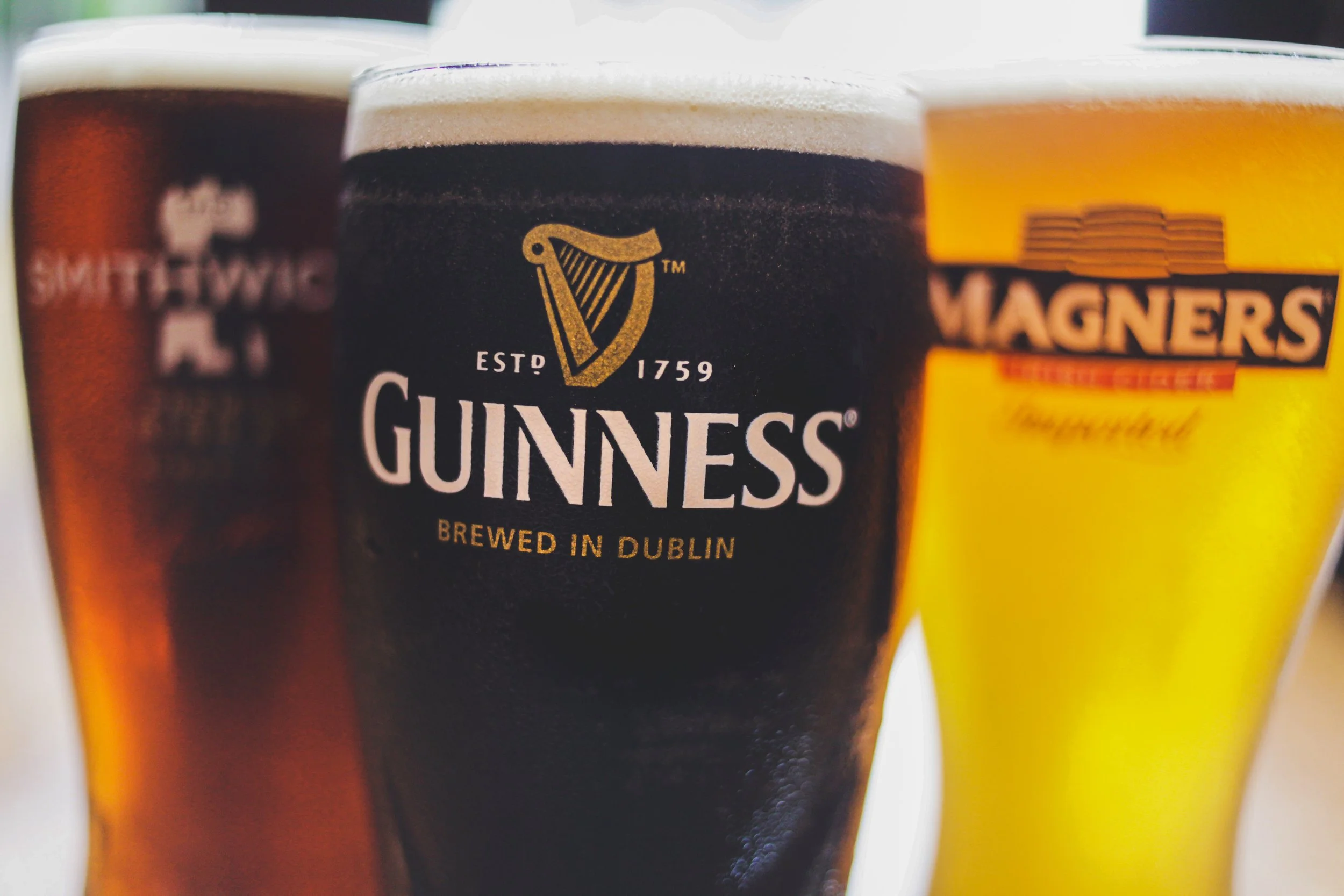
Walk into any pub in Dublin on a Tuesday afternoon and order a Guinness. Watch what the bartender does. He tilts the glass — a proper pint glass, not a tulip, not a shaker — at forty-five degrees and pulls the tap. Fills it to three-quarters. Sets it on the bar in front of you. And then he turns around and does something else. Wipes a glass. Talks to someone. Doesn't look at you.
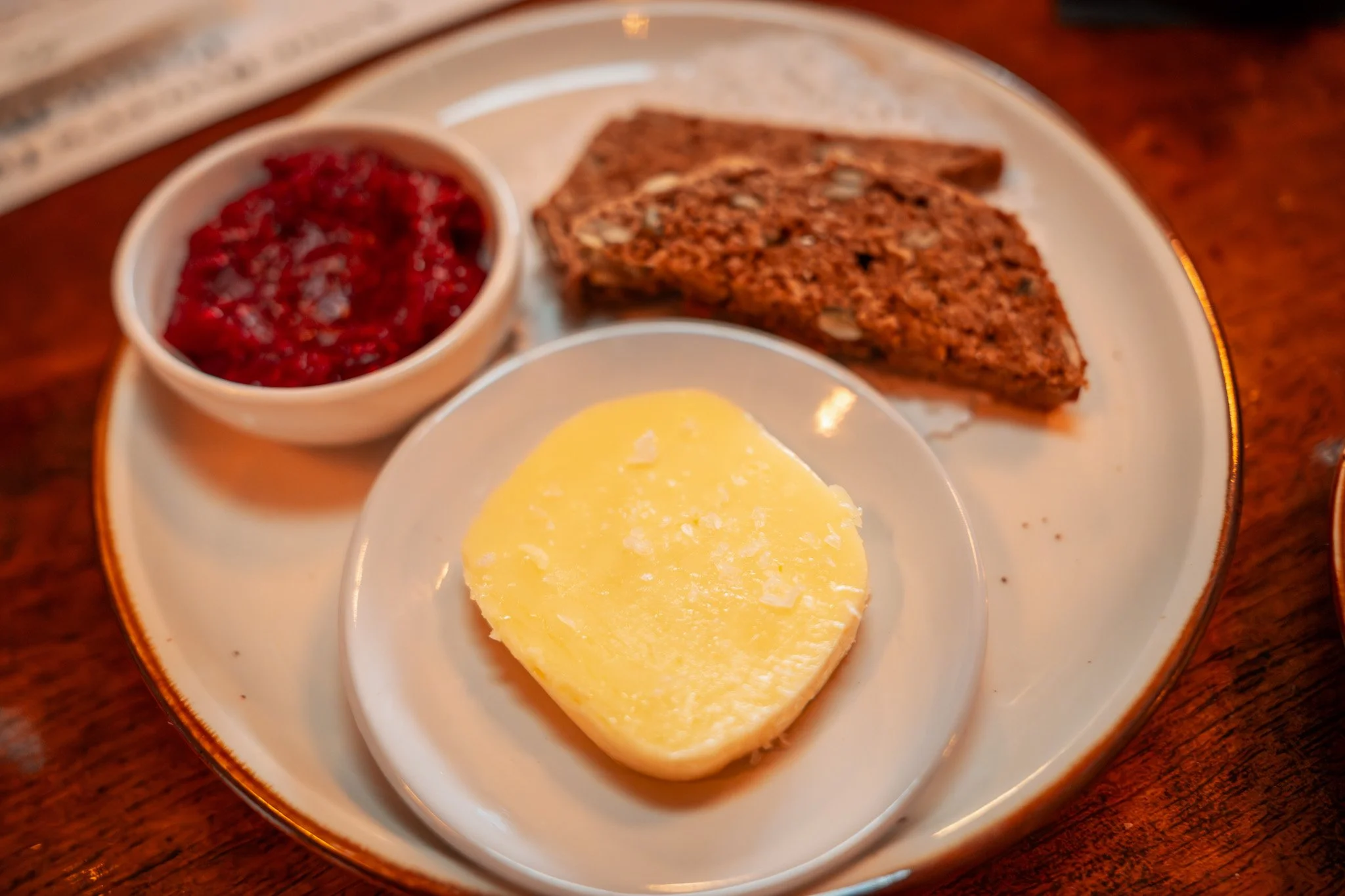
The Kind of Bread That Doesn’t Need Explaining
No yeast. No starter you've been nursing like a houseplant for six months. No overnight proof, no shaping anxiety, no second-guessing the hydration. You mix it, you shape it roughly and you bake it. The buttermilk and the baking soda do their quiet, reliable chemical work, and what comes out of the oven tastes like it's been around forever. Because it has. This is old food. Peasant food. Survival food that became comfort food that became, eventually, just good food.
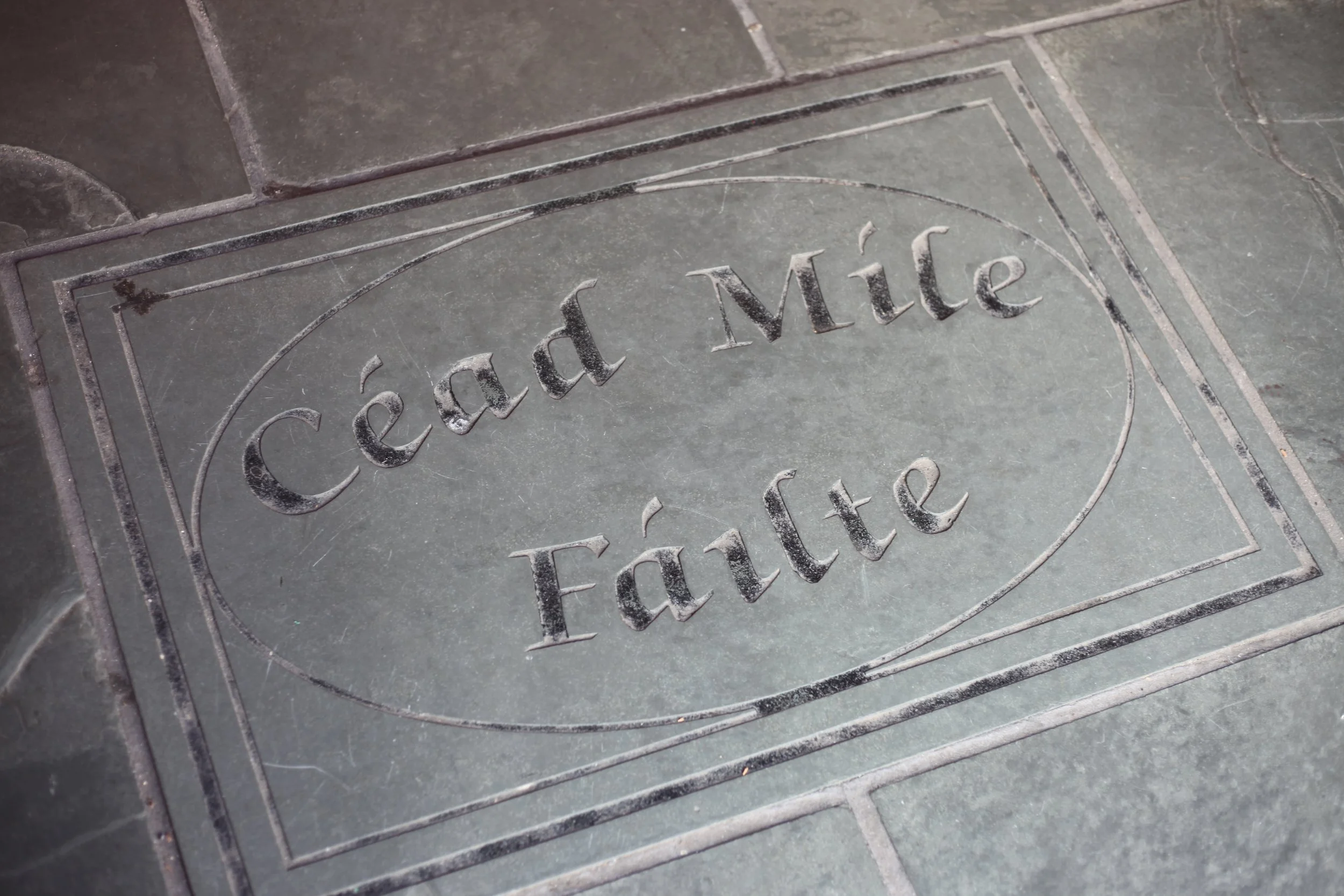
Céad Míle Fáilte — A Hundred Thousand Welcomes
The Irish have a gift for welcome. Not the performative kind — the real kind. The kind you feel before you even find your seat. Céad míle fáilte (ked milla fawl-cha). A hundred thousand welcomes. It's about how you make someone feel the moment they walk in