
When Six O'Clock Goes Dark
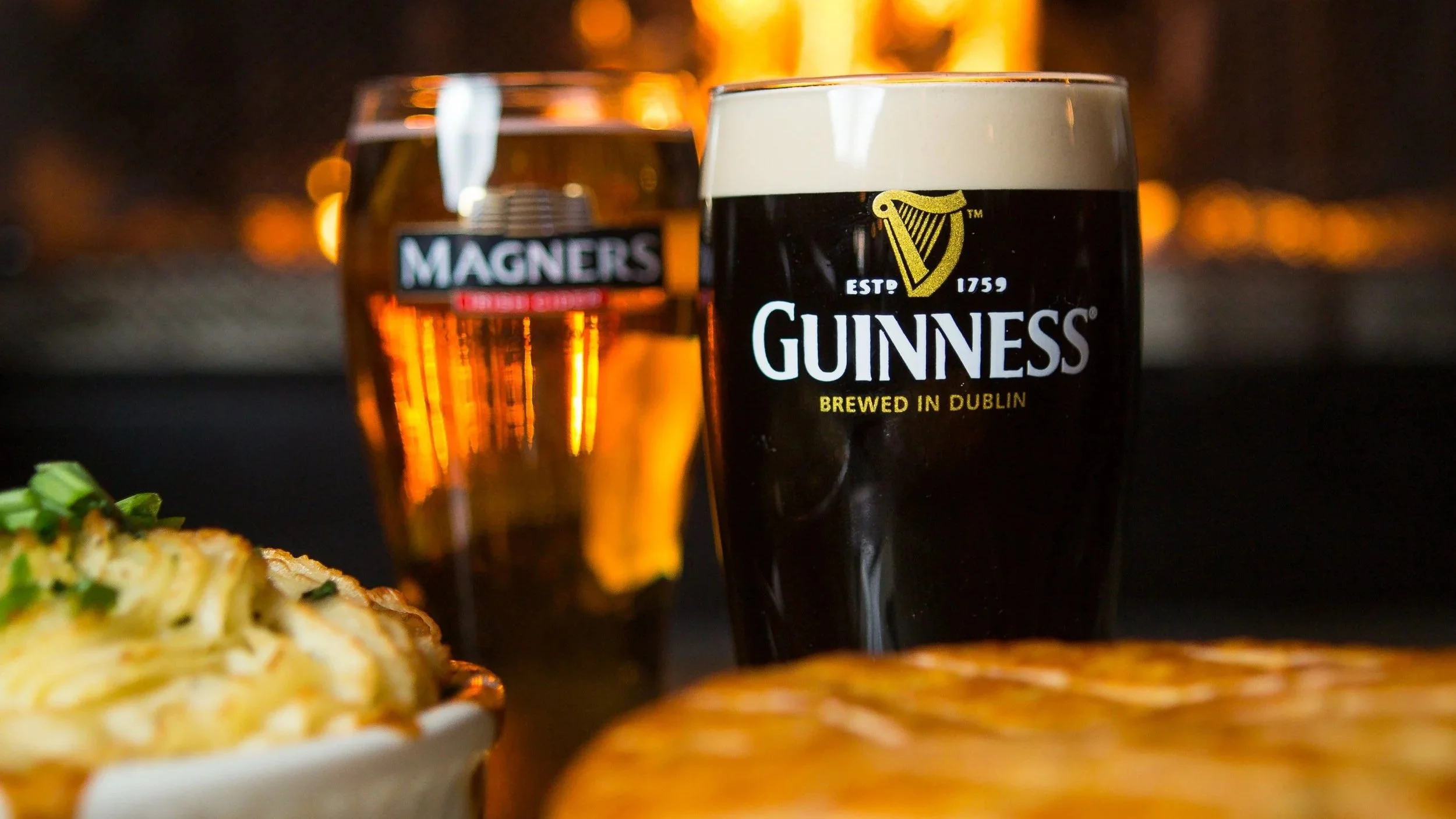
Something's braising. It was probably braising in July too, but in September you can smell those aromas when you walk in the back door. Those smells seemingly linger in the kitchen longer the colder it gets outside.
The vegetables change before the menu does. All summer the tomatoes get the attention; then go soft in a way nobody wants anymore. All the while the potatoes, turnips and parsnips just sit in the dark patiently waiting. They will meet up with that braise in the immediate future.
Same thing happens with the gourds and the apples. Pumpkin patches and apple orchards start back up, the first apples off the trees and pumpkins out of the ground, are perfect for the annual fall family photographs. A few weeks later is when a cook wants them, past the point anybody's taking their picture.
Somewhere in there, six o'clock goes dark instead of red, and dinner just changes without a meeting about it. The fireplace gets lit for the first time since March. Coats stay on a beat longer or the whole time at the bar. Conversations get lower, chairs get pulled closer. None of it needs marking on a calendar. The pub just feels a little dimmer, a little slower, smells like it's had something on the stove since noon, and somewhere between the last tomato and the first squash, it's become fall.
