
The Patience of guinness
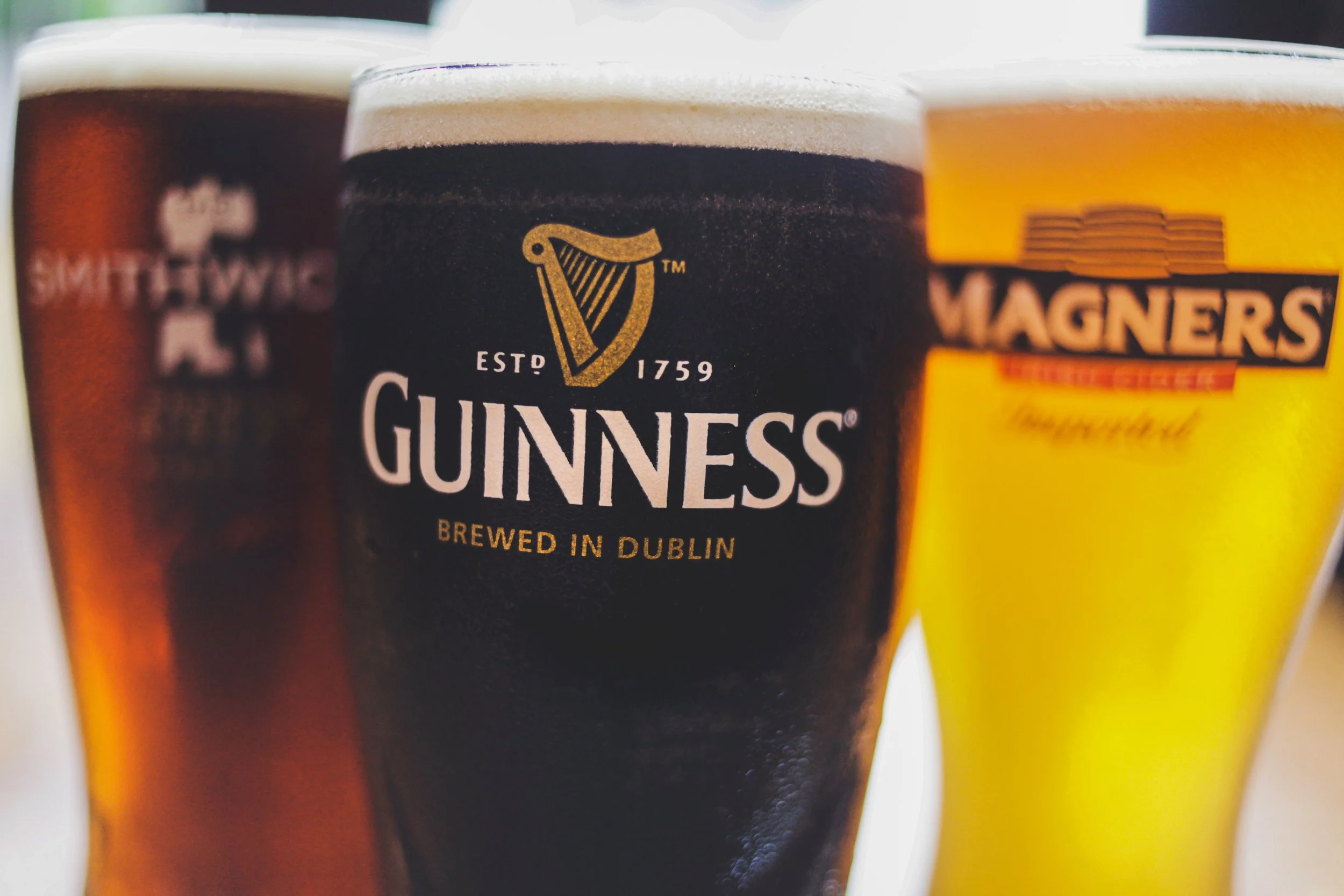
Walk into any pub in Dublin on a Tuesday afternoon and order a Guinness. Watch what the bartender does. He tilts the glass — a proper pint glass, not a tulip, not a shaker — at forty-five degrees and pulls the tap. Fills it to three-quarters. Sets it on the bar in front of you. And then he turns around and does something else. Wipes a glass. Talks to someone. Doesn't look at you.
You wait. Two minutes, give or take. The surge moves through the liquid — nitrogen bubbles cascading downward while the stout rises, the cream forming at the top and thickening, the black below it going darker and more opaque until it looks less like a drink and more like something geological. Something that has been building for a long time underground and has finally arrived at the surface.
Then he comes back. Tops it off. Hands it to you without ceremony.
You take a sip. You understand why you waited.
The same physics that makes Guinness what it is in the glass is what makes it essential in the kitchen. The roasted, unmalted barley — the thing that turns it black, that gives it that faint bitterness, that slight impression of coffee and dark chocolate at the back of the throat — doesn't disappear when you apply heat. It transforms.
You don’t taste the beer. You taste what it became. The bitterness softens first, then the sugars come forward, and what's left behind is depth — a dark, rounded quality that sits underneath everything else. Folded into soda bread batter, what comes out of the oven is dense, smells of malt and something faintly sweet underneath. Onion gravy made with it requires the same thing the pour requires: you have to be there. Reduce it too fast and it stays thin and bitter. Push it a beat too long and it burns, goes acrid, and there's no coming back from that. Guinness, whether it's in the glass or on the stove, has always known the difference between patience and neglect.
-Paul
