
The Humble Potato
It arrived in Ireland in the late 1500s, carried in from Spain the way so many things arrived on that island — through trade, through sailors, through the slow movement of a world just beginning to understand itself. The Irish called it An Spáinneach. The Spaniard. They took to it the way they took to few things handed to them by outsiders — completely, and without reservation.
By the early 1800s, a country of eight million people had built its survival around it. Not as a choice, exactly. More as a reckoning with what the land could give and what a family needed to get through winter. The potato suited Irish soil and Irish weather and Irish circumstance so well that it stopped being a crop and became a way of life. That kind of dependence is a dangerous thing.
When the blight arrived in September of 1845 — a fungus that turned fields black and reduced harvests to rot within days — the consequences were catastrophic. The British government, which continued exporting food from Ireland throughout the famine years, offered little. During the Great Famine of 1845 to 1852, over one million Irish died and over one million more crossed the Atlantic. They came to Boston, to New York, to Philadelphia. And many of them kept moving — inland, following the work. They built Pennsylvania's canals and railroads with picks and shovels for pennies a day. They settled into the towns that grew up around that labor.
They landed here. In Lancaster. In central Pennsylvania.
The town of Lititz, just up the road, sent famine relief money to the Philadelphia Irish Relief Committee in 1847. Lancaster held meetings at the courthouse to collect food and clothing for the starving. This region didn't just receive the Irish — it reached toward them before they even arrived. And when they did arrive, they stayed. They built things. They opened pubs.
That history lives in this part of Pennsylvania whether we think about it or not. It lives in the names on old buildings, in the churches, in the places that have been gathering spots for working people for a hundred and fifty years. A pub is a pub because of what it has always been — the place a community returns to, again and again, because the food is honest and the room feels familiar.
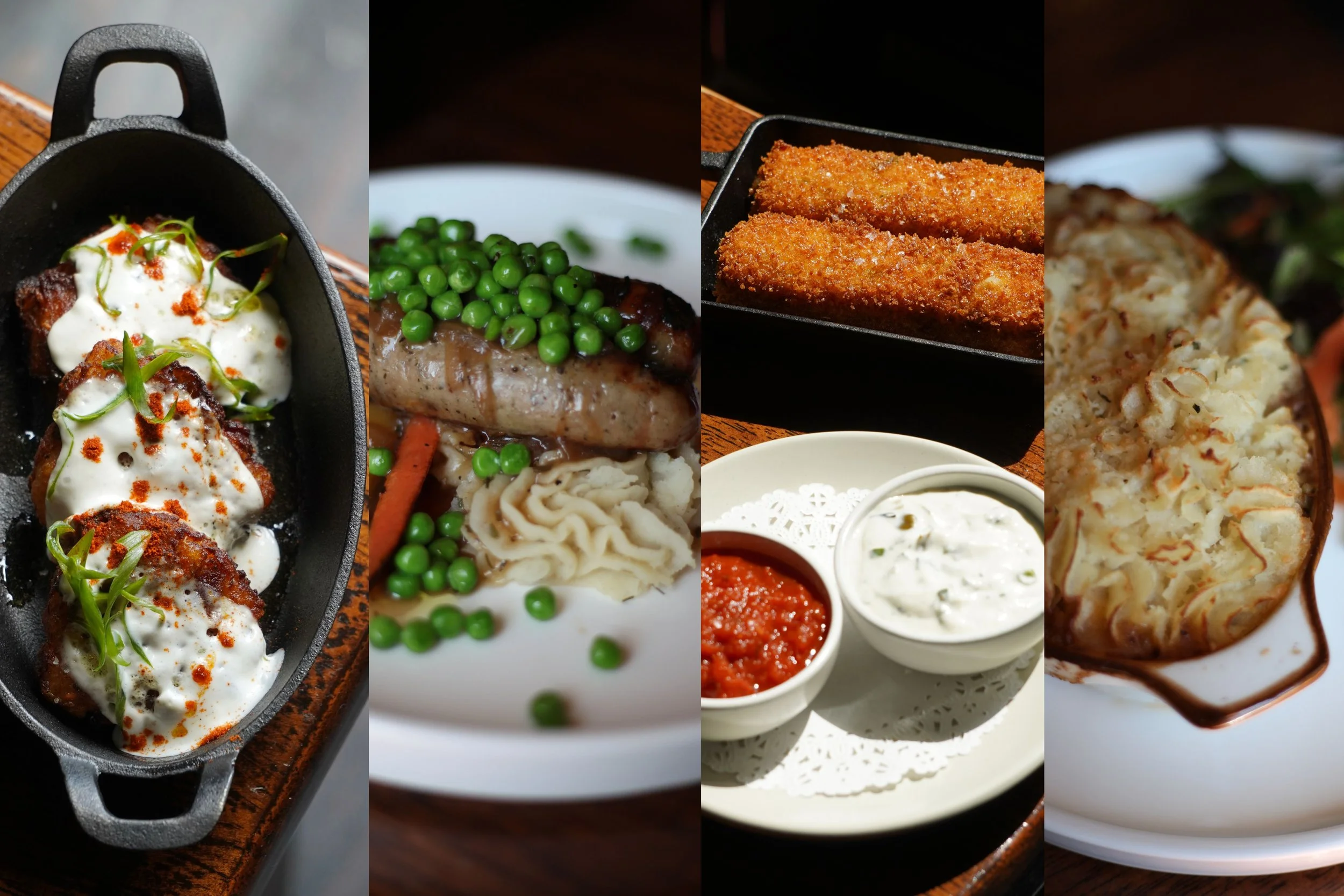
And at the center of all of it, then and now, is the potato itself… the most dependable staple in any kitchen. It crosses every cuisine, takes every technique, and anchors every dish it's in. We source ours from a farm 1.5 hours north of Lancaster. It has earned its spot on everyone's plate for a long time.
-Paul
