The Irish Dairy Tradition
The Irish relationship with cattle predates the written word. Traces of ancient dairy fats found in cooking pots dating to around 4,000 to 2,500 BC show that dairying on the island goes back approximately 6,000 years. Irish cattle seem to have been used primarily for dairy; meat was seen almost as a by-product. By the early medieval period, the landscape was organized around cattle husbandry to a degree unattested elsewhere in Europe, and Ireland's intensive focus on cattle was not driven by beef or leather production, but primarily by dairy.
The word for road in Irish, bóthar, derives from bó, meaning cow. The cattle paths became the roads.
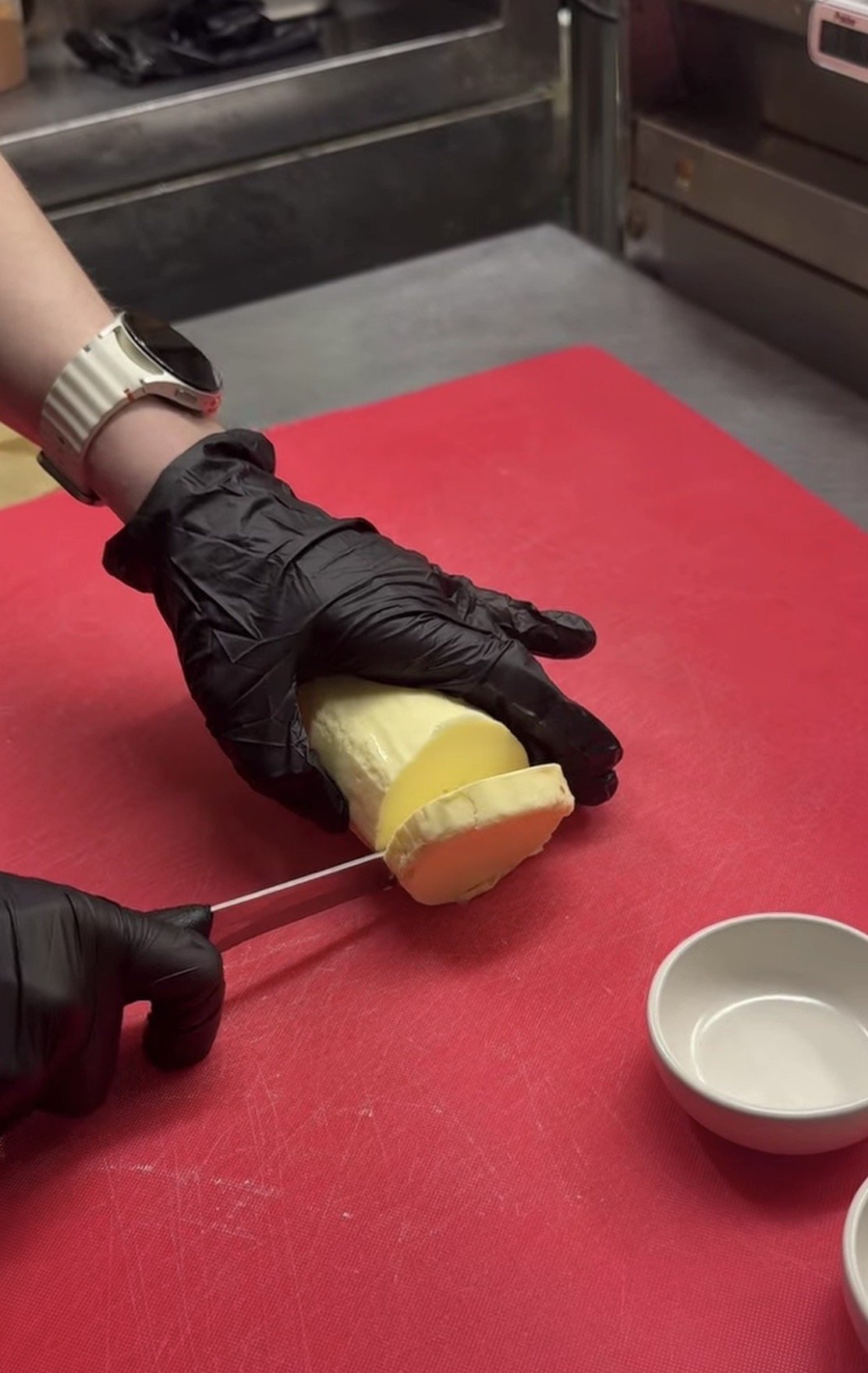
Butter was so central that people buried it. Irish bog butters span at least 3,500 years, from the Early Bronze Age to the 17th century AD, found in wooden kegs pushed into the cold, oxygen-poor depths of peat bogs that held the way a refrigerator holds, indefinitely. In ancient Ireland, butter wasn't just food. It was currency. The ancient Brehon laws treated it as a form of legal tender; rents, taxes, and fines were paid in butter and cattle. You buried your savings. Some of it is still turning up in fields today.
That deep agricultural tradition eventually found its largest expression in Cork. The Cork Butter Exchange opened formally in 1769 and by the early 19th century had grown into the largest butter market in the world. Butter was transported to the Exchange from towns and villages across Munster along routes that became known as Butter Roads. At its peak the Exchange was handling more than 500,000 firkins every single year, each holding roughly 56 pounds of butter. Inside, graders assessed every delivery by smell, touch, and taste. The product moved to America, the West Indies, Australia, and India.
What makes Irish butter distinct today is what made it distinct then: the grass. The uniquely golden color comes naturally from beta carotene in fresh pasture, and carries a distinct flavor with it. Irish cows graze outdoors for most of the year. The milk is richer, the butter more deeply colored, the flavor more present. It's not marketing. It's climate and land use, the same reason the Irish were exporting butter to the British Navy in the 18th century and outselling nearly every brand on American shelves today.
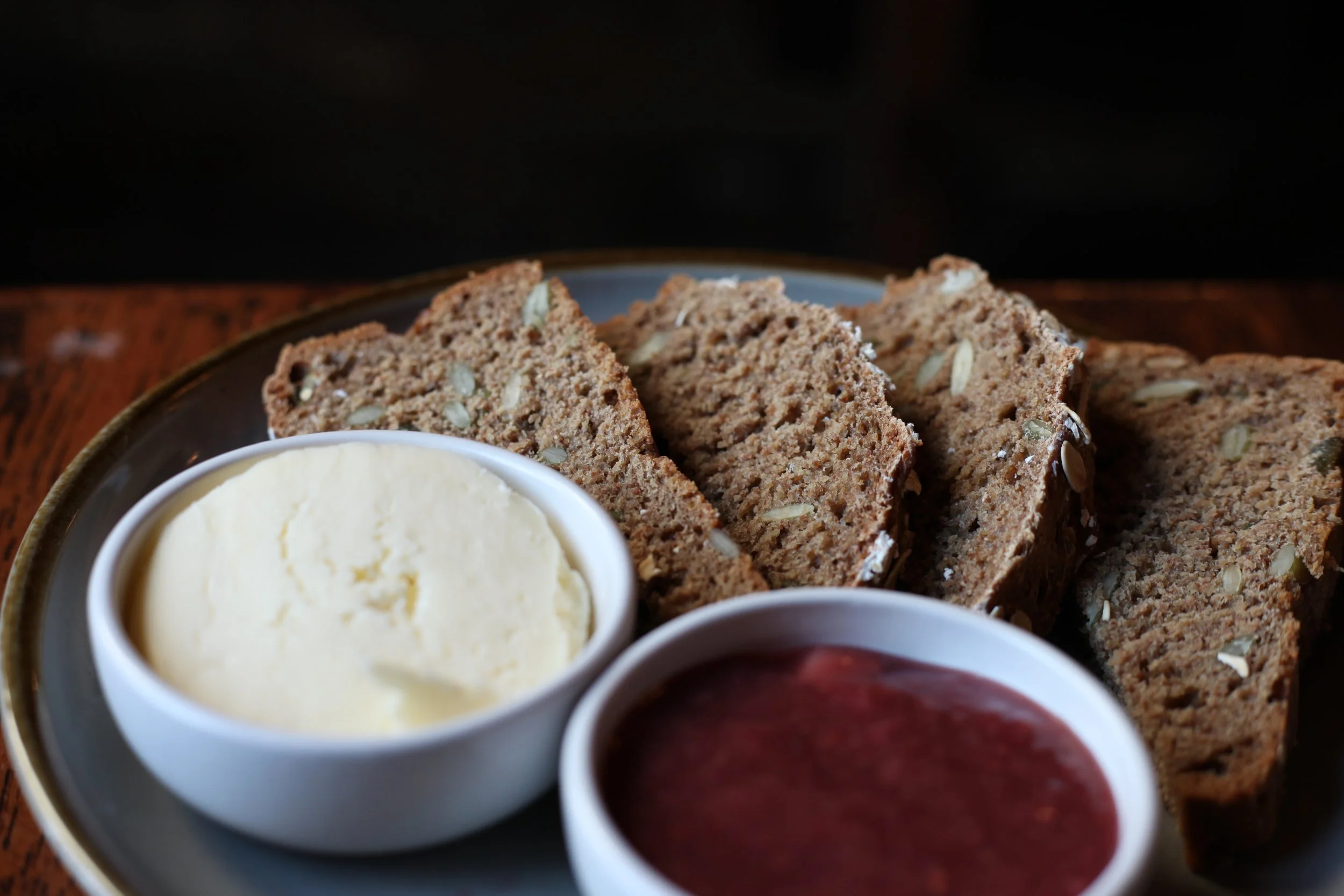
That butter shows up everywhere in Irish kitchens. Colcannon, mashed potatoes worked with butter, milk, and kale or cabbage, is less a recipe than a philosophy: take what the land gives you and don't be stingy with the dairy. Champ, its Ulster cousin, folds scallions into the same buttered mash. Brown bread arrives at the table with a generous pat alongside. Sauces finish with it. Potatoes roast in it. Butter creates the structural integrity of Irish cookery. Irish cooking without good butter is just a list of vegetables. The grass-fed difference isn't a premium tier. It's the baseline the cuisine was built around.
-Paul